Winter Solar: Why Your Panels Actually Love the Cold Season
There's this weird misconception floating around that solar panels basically hibernate during winter. You know what I'm talking about – people assume shorter days and colder weather mean their investment just sits there, gathering frost instead of generating power. But here's the thing: winter might actually be your solar system's favorite time of year.
Sounds counterintuitive, right? Let me explain.
The Cold Truth About Solar Efficiency
Solar panels are basically like your laptop – they perform better when they're cool. Those silicon cells inside? They're really efficient when temperatures drop. In fact, panels can lose up to 0.5% efficiency for every degree above 25°C. So when winter rolls around and temperatures plummet, your panels are working in their ideal conditions. For homeowners exploring Residential Solar Solutions in Jaipur, this is particularly relevant. While Jaipur winters are mild compared to northern regions, those crisp mornings in December and January create perfect operating conditions. The panels stay cool, the air is clearer, and efficiency actually increases compared to scorching summer afternoons.
Sunlight Quality Over Quantity
Sure, winter days are shorter. Nobody's arguing with that. But what most people miss is the quality of sunlight during these months. Winter sun sits lower in the sky, and while you're getting fewer hours of daylight, the sun's rays can be surprisingly effective – especially in regions like Rajasthan where clear skies dominate even in winter. At Smile Solar, we've installed hundreds of systems across the city, and the data consistently shows something interesting. Winter production might be lower in total kilowatt-hours, but the efficiency during peak hours? It's often higher than summer peaks. That matters more than you'd think.
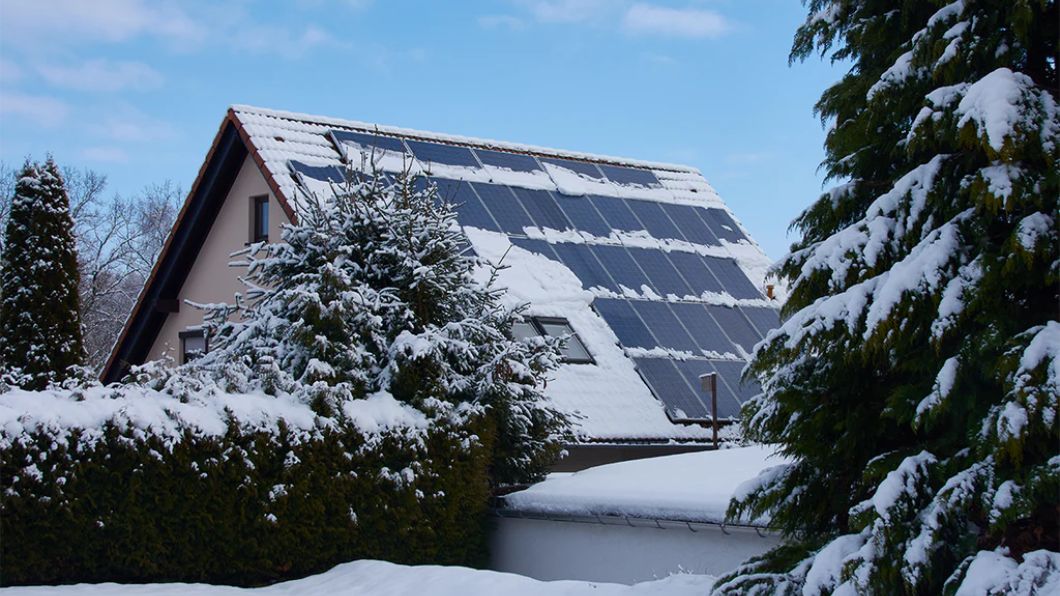
Snow and Dust: The Winter Advantage
Now, Jaipur doesn't exactly get buried in snow. But dust? That's a year-round conversation. Here's what's fascinating about winter – the atmospheric conditions actually work in your favor. Less dust in the air means better light transmission. Cooler temperatures mean less thermal expansion and contraction stressing your panels. When you work with a Solar Installation Company in Jaipur that knows the local climate, they'll tell you this: winter is actually easier on your system. The panels face less stress, efficiency stays high, and maintenance needs drop.
Production Patterns You Should Know
Let's get practical for a moment. What should you actually expect from your Solar System in Jaipur during winter months?
Peak Performance Hours
- Morning production starts later but ramps up quickly
- Midday hours deliver consistently strong output
- Evening production tapers earlier but remains efficient until sunset
Monthly Variations
- December and January typically see 60-70% of summer production
- February begins climbing back toward spring levels
- Clear days can actually outperform cloudy summer days
The key thing to understand? Your system doesn't stop working. It adjusts, and if it's properly designed, it compensates beautifully.
Why Winter Installation Makes Sense
This might surprise you, but winter is actually a smart time to go solar. Demand at most Solar Companies in Jaipur drops slightly during these months, which often means better pricing and faster installation schedules. Plus, you're getting your system ready for the high-production spring and summer months ahead. Smile Solar has noticed this pattern year after year. Customers who install in winter get their systems optimized and running before the peak production season hits. It's like warming up before a race – you're ready when it counts most.
The Maintenance Sweet Spot
Winter creates an interesting opportunity for system maintenance. Cooler temperatures make roof work more comfortable for technicians. Your panels benefit from a thorough cleaning before the intense summer sun returns. It's the perfect time to check connections, inspect mounting hardware, and ensure everything's optimized. Many homeowners wait until they notice production drops to call for service. But proactive winter maintenance? That's really smart planning. You're catching small issues before they become problems, and you're maximizing your system's readiness for high-production months.
Real Performance vs. Expectations
Here's where emotions sometimes clash with reality. You've made this significant
investment, and suddenly your winter
electricity bills aren't zero. It feels disappointing. But step back and look at the
annual picture. Your Solar System
in Jaipur is designed for year-round performance, not monthly perfection.
Think of it like this: summer months might cover 100% of your usage plus some. Winter
months might hit 60-70%. Averaged
across the year? You're still dramatically reducing your grid dependence and slashing
electricity costs. That's the goal
we focus on at Smile Solar – realistic expectations that lead to genuine satisfaction.
The Financial Angle Nobody Talks About
Winter production affects your return on investment calculations, but not how you might think. Because your system produces somewhat less in winter, your grid draw increases slightly. But here's the thing – winter electricity rates are often the same as summer rates, and your reduced production is offset by lower overall consumption in most homes.
The math works because solar is a long-term play. Those blazing summer months when your system is cranking out surplus power? They balance everything out. Annual production is what matters, and properly designed Residential Solar Solutions in Jaipur account for seasonal variations from day one.
Looking Forward
As we navigate winter and look ahead to spring, remember this: your solar panels aren't suffering through the cold. They're thriving in it. Each clear winter day is generating clean energy, reducing your carbon footprint, and moving you closer to energy independence.
The journey with solar isn't about perfect production every single day. It's about the cumulative impact over months and years. Winter plays its part in that story, and honestly? It plays it quite well.
.jpg)
.jpg)